
By Tara Williams
Golf course living in Johnson County looks dreamy from the street. Here's what fairway homeowners wish they'd known — lots, fees, privacy, and resale.
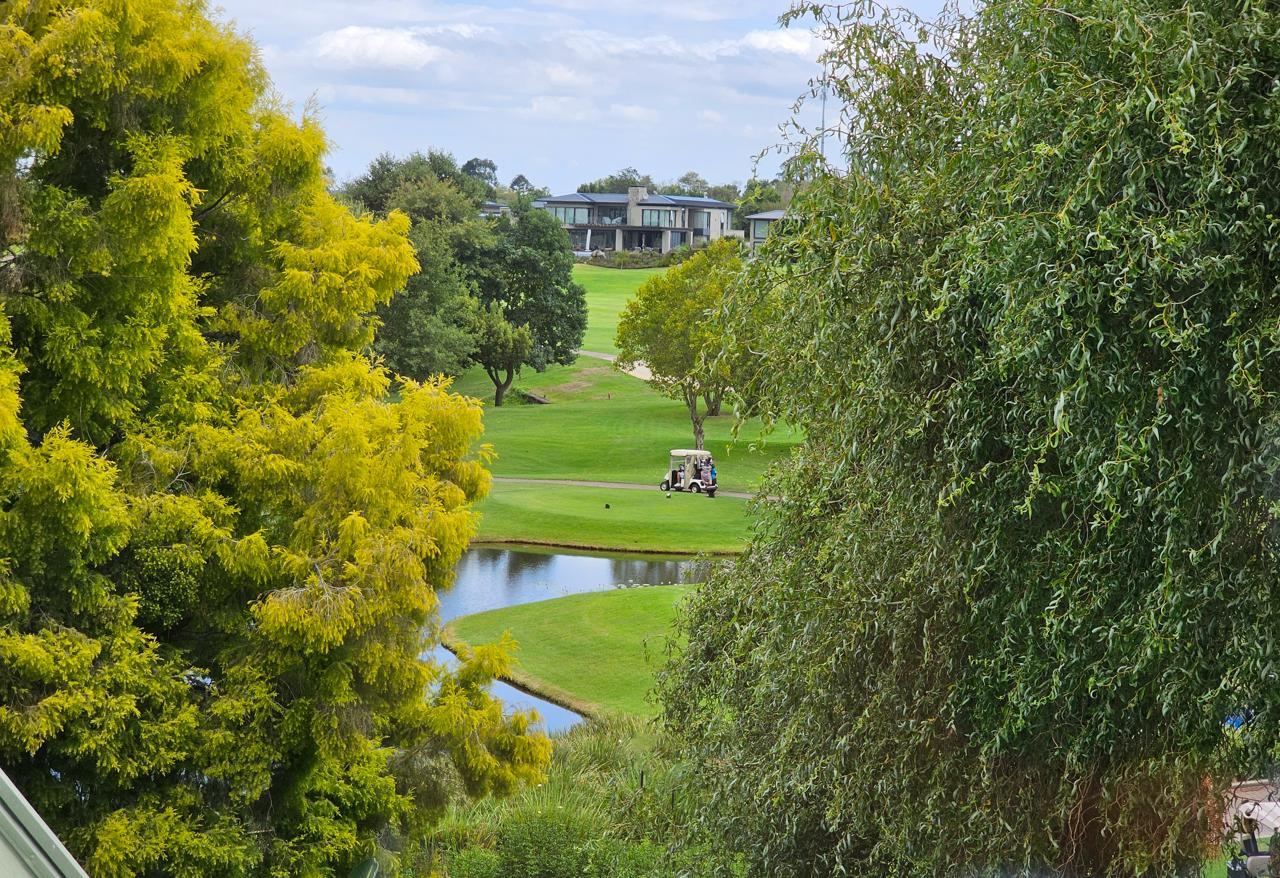
There's a moment I see with almost every buyer who tours a golf course home for the first time. We walk through the kitchen, out onto the deck, and the conversation just stops. That wide-open green view does something a fenced backyard never will. And honestly? I get it. I love showing these homes.
But here's the thing — after years of helping families buy and sell golf course homes in Johnson County, I can tell you the view is only half the story. The other half is the stuff nobody mentions during the showing. So today I'm giving you the full picture: what living on the fairway is actually like, what it costs beyond the sticker price, and how to pick the right lot so you love it as much in year ten as you did on day one.
Where Golf Course Living Actually Happens Around Here
When buyers ask me about golf course homes in the KC metro, three names come up over and over.
Lionsgate in Overland Park is the one most people picture — homes wrapped around a Jack Nicklaus Signature course, eight distinct sub-communities, and price points running from the $500s past $2 million. If you want fairway views with Blue Valley schools attached, this is the conversation starter.
Loch Lloyd, just across the state line, gives you something different: a fully gated village built around its own private course, with a lake and a level of seclusion that's hard to find anywhere else in the metro.
And Hallbrook in Leawood is the established classic — mature trees, prestigious course, limited inventory. Homes there don't come up often, and when they do, they command it.
Three communities, three very different lifestyles — and that's exactly my point. "Golf course home" isn't one product. It's a category, and the details matter enormously.
The Lot Matters More Than the House
If you remember one thing from this post, make it this: on a golf course, the lot decision outweighs almost everything else.
Not all fairway lots are equal. A home sitting along a tee box hears every group all day long. A home behind a green gets the foot traffic and the longer pauses — golfers lining up putts thirty feet from your patio. The quiet, coveted positions are typically mid-fairway on the far side of the hole, angled away from the natural landing zone.
Which brings me to the question I get asked with a smile at every showing: do golf balls actually hit the house? On the wrong lot — yes, regularly enough that you'll be replacing a window or two. Screens, siding dings, the occasional cracked pane. On the right lot, it's a non-issue. Before my buyers write an offer, we stand in the backyard and look at where the hole actually plays: where do average golfers slice? Where does the cart path run? You can read most of it in ten minutes on-site, and it can save you years of frustration.
The good news is the market already prices some of this in. Premium fairway positions in Lionsgate carry real lot premiums — I broke down how that pricing works in my premium lots and golf course pricing guide if you want the numbers.
The Costs Nobody Puts in the Listing
Here's where I want you to slow down before you fall in love.
First: in nearly every Johnson County golf community, the course itself is a private club — separate from your HOA. Buying the home does not buy you golf. Membership is its own decision with its own initiation fees and monthly dues, and those numbers vary a lot from club to club. I put together a full breakdown of what country club memberships actually cost around Kansas City, and if a golf community is on your list, read that one next — it changes the monthly math for a lot of families.
Second, insurance and maintenance run a touch higher on the fairway side. More glass, more exposure, and yes — the occasional ball.
Third, remember you're living inside someone else's business. The course sprays, mows at 6 a.m., and hosts tournaments. Most homeowners tell me they stop noticing within a month. But you should know it going in.
What You Get In Return
So why do people stay? Because the trade works.
You get a protected view that can never be built out — no one is putting a two-story spec home behind you, ever. In a metro that's growing as fast as ours, that permanence is rare and it shows up in resale value. Golf course homes in Johnson County consistently hold a premium over comparable interior lots, and the best-positioned ones are often the first homes in a neighborhood to move when the market tightens.
You also get space and light that interior lots can't replicate. And there's a social fabric to these communities — the clubhouse dinners, the Saturday morning waves from the cart path — that residents genuinely love. It's a lifestyle purchase as much as a real estate one.
One more thing most buyers don't realize: you don't have to golf. A meaningful share of fairway homeowners I work with have never swung a club. They bought the view and the privacy. The golf is just the landscaping crew they don't pay for.
How I'd Approach It
If a golf course home is on your radar, here's my honest advice. Tour more than one community, because Lionsgate, Loch Lloyd, and Hallbrook feel completely different in person. Walk the specific lot and read the hole. Get the real club membership numbers before you set your budget, not after. And work with someone who knows which streets and which holes have the track record.
That last part is where I come in. I've walked these fairways with a lot of families, and I know which views come with golf balls attached and which ones are pure serenity. If you're curious what's available right now on the fairways of Johnson County — or what your golf course home might be worth in this market — reach out. I'd love to walk it with you.
Thinking About Making a Move?
Get personalized guidance from Tara — no pressure, no fluff.